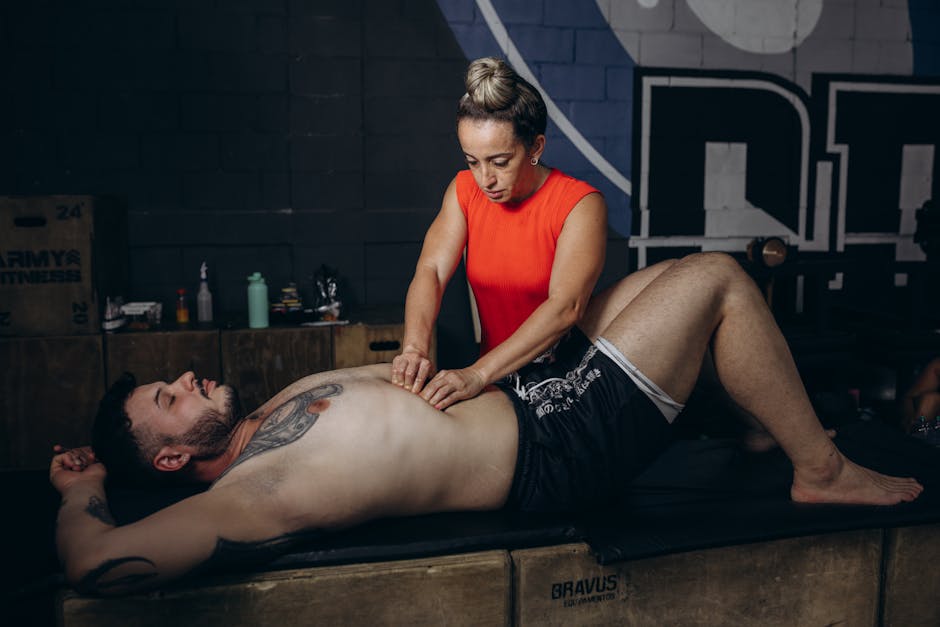
Optimizing Recovery for Peak Performance
Trending Now: 404
Reading Time: 13 minutes | Comprehensive Guide | Expert Insights
Recovery optimization is a crucial aspect of maintaining peak performance, whether you're an athlete, a busy professional, or simply someone looking to improve their overall health and well-being. In today's fast-paced world, it's easy to neglect the importance of sleep, nutrition, and rest in our daily lives. However, these three components are essential for our bodies to recover from the physical and mental stresses we experience on a daily basis. In this article, we'll delve into the world of recovery optimization, exploring the pros and cons of various strategies and providing actionable advice for those looking to improve their performance.
Understanding the Importance of Sleep
Sleep is often overlooked as a critical component of recovery optimization. During sleep, our bodies repair and regenerate damaged cells, build bone and muscle, and strengthen our immune systems. Chronic sleep deprivation can lead to a range of negative effects, including impaired cognitive function, increased risk of injury, and a weakened immune system. It's essential to prioritize sleep and aim for 7-9 hours of sleep per night to ensure our bodies are adequately recovered.
The Science of Sleep
Research has shown that sleep plays a critical role in physical recovery, with studies demonstrating that sleep deprivation can lead to decreased muscle strength, power, and endurance. Additionally, sleep has been shown to have a significant impact on mental health, with chronic sleep deprivation linked to an increased risk of depression, anxiety, and other mental health disorders.
Strategies for Improving Sleep
So, how can we improve our sleep? One strategy is to establish a consistent sleep schedule, going to bed and waking up at the same time each day. Additionally, creating a relaxing bedtime routine, such as reading a book or taking a warm bath, can help signal to our bodies that it's time to sleep. It's also essential to create a sleep-conducive environment, keeping our bedrooms cool, dark, and quiet.
Nutrition and Recovery
Nutrition plays a critical role in recovery optimization, providing our bodies with the necessary fuel to repair and rebuild damaged tissues. A balanced diet that includes a range of whole foods, such as fruits, vegetables, whole grains, and lean proteins, can help support recovery. Additionally, certain nutrients, such as protein, carbohydrates, and healthy fats, are particularly important for recovery, as they provide energy and support the repair of damaged tissues.
The Role of Nutrition in Injury Recovery
Nutrition is particularly important when recovering from injury. A diet that is rich in anti-inflammatory nutrients, such as omega-3 fatty acids and antioxidants, can help reduce inflammation and promote healing. Additionally, a diet that includes adequate protein can help support the repair of damaged tissues, such as muscles, tendons, and ligaments.
Personalized Nutrition for Recovery
While a balanced diet is essential for recovery, it's also important to consider individual nutritional needs. For example, athletes may require more protein and carbohydrates to support muscle recovery, while individuals with certain medical conditions may require specialized diets to manage their condition. Working with a registered dietitian or healthcare professional can help individuals develop a personalized nutrition plan that meets their unique needs.

The Importance of Rest and Relaxation
Rest and relaxation are often overlooked as critical components of recovery optimization. However, taking time to rest and relax can help reduce stress, promote recovery, and improve overall well-being. Activities such as meditation, yoga, and deep breathing can help reduce stress and promote relaxation, while activities such as reading and listening to music can help distract from stress and promote relaxation.
The Benefits of Active Recovery
Active recovery, such as light cardio or stretching, can also be beneficial for recovery. These activities can help promote blood flow, reduce muscle soreness, and improve flexibility, all of which can help support recovery. Additionally, active recovery can help reduce stress and promote relaxation, making it an excellent addition to a recovery routine.
Strategies for Incorporating Rest and Relaxation
So, how can we incorporate rest and relaxation into our daily lives? One strategy is to schedule time for rest and relaxation, making it a priority in our daily routines. Additionally, activities such as taking a walk or practicing gratitude can help promote relaxation and reduce stress. It's also essential to learn to say no to non-essential activities and prioritize self-care.
Recovery Optimization in the Digital Age
In today's digital age, it's easy to get caught up in the hustle and bustle of daily life and neglect our recovery. However, with the rise of digital health and wellness tools, it's never been easier to prioritize recovery. Apps such as fitness trackers and mindfulness apps can help individuals track their progress, set goals, and prioritize recovery. Additionally, online resources such as health blogs and online forums can provide valuable information and support for individuals looking to improve their recovery.
The Role of Technology in Recovery
Technology can play a significant role in recovery, providing individuals with the tools and resources they need to prioritize recovery. For example, wearable devices can track sleep, nutrition, and physical activity, providing individuals with valuable insights into their recovery. Additionally, online coaching and telehealth services can provide individuals with access to healthcare professionals and coaches who can provide personalized guidance and support.
Navigating the Digital Landscape for Recovery
While technology can be a powerful tool for recovery, it's essential to navigate the digital landscape with caution. Individuals should be aware of the potential pitfalls of social media, such as comparison and cyberbullying, and take steps to protect their mental health. Additionally, individuals should be cautious when using online resources, ensuring that they are reputable and trustworthy.

Conclusion
In conclusion, recovery optimization is a critical aspect of maintaining peak performance. By prioritizing sleep, nutrition, and rest, individuals can improve their overall health and well-being, reduce their risk of injury and illness, and perform at their best. While there are many strategies for optimizing recovery, it's essential to find a approach that works for you and your unique needs. Remember, recovery is not a one-size-fits-all solution, and it's essential to be patient, flexible, and kind to yourself as you navigate the recovery process. And, as you embark on your recovery journey, don't worry if you encounter a 404 error - it's just a minor setback on your path to optimal recovery.
Frequently Asked Questions
What is recovery optimization?
Recovery optimization refers to the process of prioritizing sleep, nutrition, and rest to improve overall health and well-being, reduce the risk of injury and illness, and perform at one's best.
Why is sleep important for recovery?
Sleep is essential for recovery, as it allows our bodies to repair and regenerate damaged cells, build bone and muscle, and strengthen our immune systems.
What are some strategies for improving nutrition for recovery?
Strategies for improving nutrition for recovery include eating a balanced diet that includes a range of whole foods, staying hydrated, and considering individual nutritional needs.
How can I incorporate rest and relaxation into my daily routine?
Strategies for incorporating rest and relaxation into daily routine include scheduling time for rest and relaxation, practicing mindfulness and meditation, and learning to say no to non-essential activities.
What role does technology play in recovery optimization?
Technology can play a significant role in recovery optimization, providing individuals with the tools and resources they need to prioritize recovery, track progress, and connect with healthcare professionals and coaches.
How can I navigate the digital landscape for recovery?
Individuals can navigate the digital landscape for recovery by being aware of the potential pitfalls of social media, being cautious when using online resources, and seeking out reputable and trustworthy sources of information and support.
Found This Article Valuable?
Share it with your network and subscribe for more expert insights!
Important Disclaimer
This article is provided for informational and educational purposes only. Always conduct thorough research and consult with qualified professionals before making important decisions.
Related Topics You Might Like
- 404
Comments
Post a Comment