
Mediterranean Diet: A Heart - Healthy Eating Plan
Trending Now: 404
Reading Time: 16 minutes | Comprehensive Guide | Expert Insights
Are you looking for a way to improve your overall health and wellbeing? Do you want to reduce your risk of heart disease and other chronic conditions? If so, you may want to consider adopting the Mediterranean diet, a lifestyle diet that has been shown to have numerous health benefits. In this article, we'll explore the principles of the Mediterranean diet, its benefits, and provide you with practical tips on how to incorporate it into your daily life. So, let's get started on this journey to a healthier you!
Introduction to the Mediterranean Diet
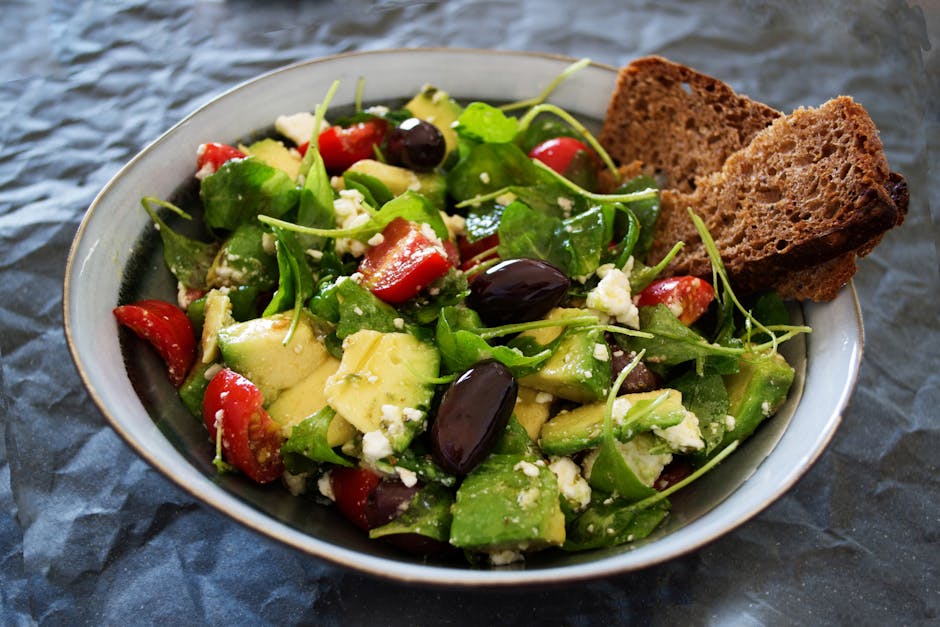
The Mediterranean diet is a dietary pattern that is inspired by the traditional diets of the countries bordering the Mediterranean Sea, such as Greece, Italy, and Spain. It is characterized by a high intake of fruits, vegetables, whole grains, and healthy fats, such as those found in olive oil. The diet also emphasizes the consumption of lean protein sources, such as poultry, fish, and legumes, and limits the intake of red meat and processed foods.
Key Components of the Mediterranean Diet
The Mediterranean diet is not just a diet, but a lifestyle. It emphasizes the importance of social eating, physical activity, and stress reduction. It also encourages the consumption of a variety of whole foods, rather than relying on supplements or processed foods. By following the Mediterranean diet, you can expect to experience a range of health benefits, including improved heart health, weight management, and a reduced risk of chronic diseases.
Benefits of the Mediterranean Diet
So, why should you consider adopting the Mediterranean diet? The benefits are numerous and well-documented. Studies have shown that the Mediterranean diet can help to lower cholesterol levels, reduce blood pressure, and improve blood sugar control. It can also help to reduce the risk of heart disease, stroke, and type 2 diabetes. Additionally, the Mediterranean diet has been shown to have a positive impact on mental health, with studies suggesting that it may help to reduce symptoms of depression and anxiety.
Incorporating the Mediterranean Diet into Your Lifestyle
So, how can you incorporate the Mediterranean diet into your lifestyle? It's easier than you think. Start by making a few simple changes to your diet, such as increasing your intake of fruits and vegetables and reducing your consumption of red meat. You can also try cooking with olive oil and experimenting with new recipes that feature whole grains, lean protein sources, and healthy fats.
Practical Tips for Adopting the Mediterranean Diet
Here are a few practical tips to help you get started with the Mediterranean diet. First, start small and make a few simple changes to your diet each week. Second, find healthy alternatives to your favorite foods, such as choosing whole grain bread instead of white bread. Third, cook at home using fresh ingredients and healthy cooking methods, such as grilling or roasting. Finally, don't be too hard on yourself if you slip up - simply get back on track and keep moving forward.
Overcoming Common Challenges
One of the biggest challenges of adopting the Mediterranean diet is finding healthy and delicious recipes to try. However, with a little creativity and experimentation, you can find plenty of tasty and nutritious options. You can also try meal planning and grocery shopping to help you stay on track. And, if you're feeling stuck, don't be afraid to seek out support from a registered dietitian or other healthcare professional.
Maintaining a Healthy Lifestyle
Maintaining a healthy lifestyle is all about finding balance and making sustainable changes that you can stick to in the long term. This means being kind to yourself and not beating yourself up if you slip up. It also means finding healthy habits that you enjoy, such as exercise or meditation, and making them a regular part of your routine. By focusing on progress, not perfection, you can maintain a healthy lifestyle that works for you and helps you achieve your goals.
The Importance of Self-Care
Self-care is an essential part of maintaining a healthy lifestyle. This means taking the time to relax and recharge, whether that's through reading a book, taking a bath, or practicing yoga. It also means being mindful of your thoughts and emotions, and seeking out support when you need it. By prioritizing self-care, you can reduce stress and anxiety, and improve your overall wellbeing.
Staying Motivated and Accountable
Staying motivated and accountable is crucial when it comes to maintaining a healthy lifestyle. One way to do this is to find a workout buddy or join a fitness class. You can also try tracking your progress using a food diary or fitness tracker, and rewarding yourself for reaching your goals. And, if you're feeling stuck, don't be afraid to seek out support from a registered dietitian or other healthcare professional.
Addressing Concerns and Misconceptions
Some people may have concerns or misconceptions about the Mediterranean diet, such as the idea that it is too restrictive or that it is only suitable for certain individuals. However, the Mediterranean diet is actually a very flexible and inclusive eating plan that can be adapted to suit a wide range of needs and preferences. It is also important to note that the Mediterranean diet is not a quick fix or a fad diet, but rather a long-term approach to healthy eating that can help you achieve sustainable weight loss and improve your overall health.
Debunking Common Myths
There are many common myths and misconceptions about the Mediterranean diet, such as the idea that it is too expensive or that it is only suitable for people who live in Mediterranean countries. However, the Mediterranean diet is actually a very affordable and accessible eating plan that can be adapted to suit a wide range of budgets and lifestyles. It is also important to note that the Mediterranean diet is not a one-size-fits-all approach, but rather a flexible and inclusive eating plan that can be tailored to meet the unique needs and preferences of each individual.
Embracing a Balanced Lifestyle
Embracing a balanced lifestyle is all about finding harmony and balance in all aspects of your life. This means nourishing your body with healthy foods, exercising regularly, and practicing stress-reducing techniques such as meditation or yoga. It also means being mindful of your thoughts and emotions, and seeking out support when you need it. By embracing a balanced lifestyle, you can improve your overall health and wellbeing, and increase your chances of living a long and healthy life. As you navigate the world of healthy eating, you may encounter some 404 moments, where you feel lost or uncertain about what to do. But don't worry, with a little patience and persistence, you can overcome any obstacle and achieve your goals.

Conclusion
In conclusion, the Mediterranean diet is a lifestyle diet that promotes heart health and overall wellness. By incorporating the principles of the Mediterranean diet into your lifestyle, you can improve your overall health and wellbeing, and reduce your risk of chronic diseases. Remember to start small, find healthy alternatives, and don't be too hard on yourself if you slip up. With a little creativity and experimentation, you can find plenty of tasty and nutritious options that fit within the Mediterranean diet. So, why not give it a try and see the benefits for yourself?
Frequently Asked Questions
What is the Mediterranean diet?
The Mediterranean diet is a dietary pattern that is inspired by the traditional diets of the countries bordering the Mediterranean Sea. It is characterized by a high intake of fruits, vegetables, whole grains, and healthy fats, and emphasizes the consumption of lean protein sources and limits the intake of red meat and processed foods.
What are the benefits of the Mediterranean diet?
The benefits of the Mediterranean diet are numerous and well-documented. It can help to lower cholesterol levels, reduce blood pressure, and improve blood sugar control. It can also help to reduce the risk of heart disease, stroke, and type 2 diabetes.
How can I incorporate the Mediterranean diet into my lifestyle?
Start by making a few simple changes to your diet, such as increasing your intake of fruits and vegetables and reducing your consumption of red meat. You can also try cooking with olive oil and experimenting with new recipes that feature whole grains, lean protein sources, and healthy fats.
What are some common challenges of adopting the Mediterranean diet?
One of the biggest challenges of adopting the Mediterranean diet is finding healthy and delicious recipes to try. However, with a little creativity and experimentation, you can find plenty of tasty and nutritious options. You can also try meal planning and grocery shopping to help you stay on track.
How can I maintain a healthy lifestyle while following the Mediterranean diet?
Maintaining a healthy lifestyle is all about finding balance and making sustainable changes that you can stick to in the long term. This means being kind to yourself and not beating yourself up if you slip up. It also means finding healthy habits that you enjoy, such as exercise or meditation, and making them a regular part of your routine.
What is the importance of self-care in maintaining a healthy lifestyle?
Self-care is an essential part of maintaining a healthy lifestyle. It means taking the time to relax and recharge, whether that's through reading a book, taking a bath, or practicing yoga. It also means being mindful of your thoughts and emotions, and seeking out support when you need it.
Found This Article Valuable?
Share it with your network and subscribe for more expert insights!
Important Disclaimer
This article is provided for informational and educational purposes only. Always conduct thorough research and consult with qualified professionals before making important decisions.
Related Topics You Might Like
- 404
Comments
Post a Comment