Grow Your Own Food: The Joy of Home Gardening
Trending Now: 404
Reading Time: 10 minutes | Comprehensive Guide | Expert Insights
Imagine stepping into your backyard and picking a fresh, juicy tomato right from the vine. Or, picture yourself harvesting a crisp head of lettuce, ready to be added to your favorite salad. Home gardening is a rewarding hobby that allows you to connect with nature, save money on groceries, and enjoy the satisfaction of growing your own food. In this article, we'll explore the benefits of home gardening and provide you with the knowledge and skills to get started.
Getting Started with Home Gardening
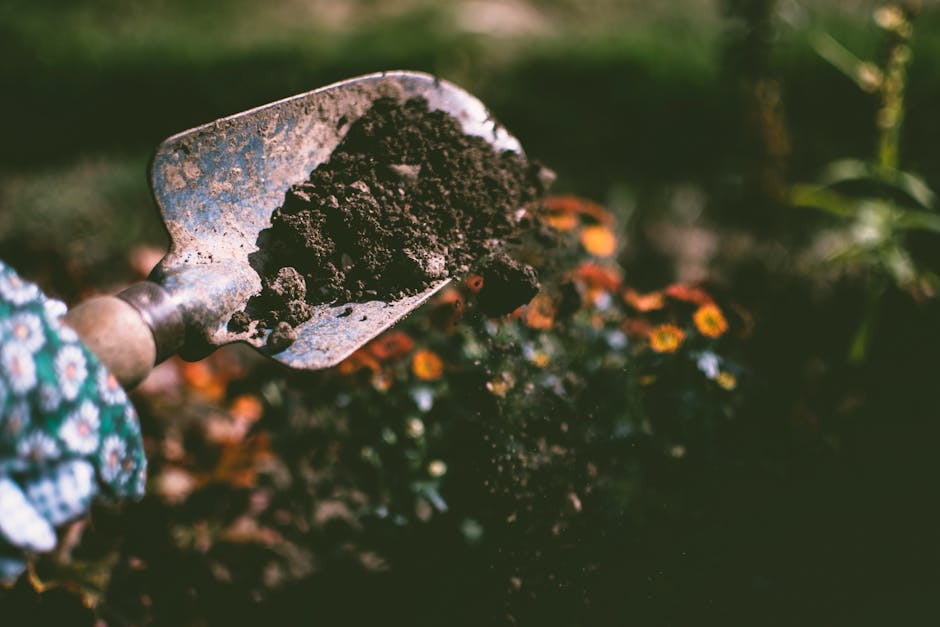
Before you begin, it's essential to understand the basics of home gardening. This includes choosing the right location, preparing the soil, and selecting the types of plants you want to grow. Soil quality is a critical factor in determining the success of your garden. You'll want to test your soil to determine its pH level and nutrient content. Based on the results, you can add organic matter such as compost or manure to improve the soil's fertility.
Choosing the Right Location
When selecting a location for your garden, consider the amount of sunlight it receives. Most vegetables and fruits require at least six hours of direct sunlight per day. You'll also want to ensure that the area is level and well-drained. Avoid planting in low-lying areas where water may collect, as this can lead to root rot and other problems.
Preparing the Soil
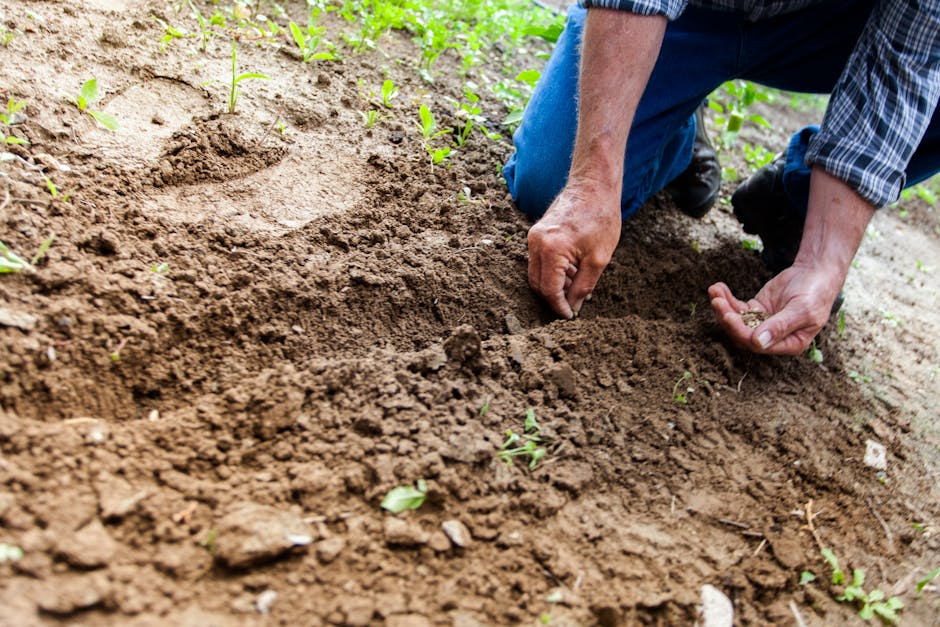
Once you've chosen a location, it's time to prepare the soil. Start by removing any debris, such as rocks or weeds. Next, till the soil to a depth of about eight inches to loosen and aerate it. If your soil test reveals any nutrient deficiencies, add the necessary amendments to improve its fertility. Finally, rake the soil to create a smooth, even surface.
Selecting the Right Plants
With your soil prepared, it's time to select the types of plants you want to grow. Consider what you like to eat and what grows well in your region. Heirloom varieties are a great choice for home gardeners, as they offer unique flavors and textures. You can also choose from a variety of hybrid plants, which are bred for their disease resistance and high yields.
Vegetables and Fruits
Some popular vegetables for home gardens include tomatoes, cucumbers, and carrots. Fruits like strawberries, blueberries, and raspberries are also well-suited for small spaces. Consider planting a mix of annuals and perennials to ensure a constant harvest throughout the growing season.
Herbs and Flowers
Herbs like basil, mint, and cilantro add fresh flavor to a variety of dishes. Flowers like marigolds and sunflowers can attract beneficial insects and add beauty to your garden. Consider planting a mix of herbs and flowers to create a diverse and thriving ecosystem.
Maintaining Your Garden
Once your plants are in the ground, it's essential to maintain your garden regularly. This includes watering, fertilizing, and pruning. Companion planting is a technique that involves planting different species together to improve growth and reduce pests. For example, planting marigolds with tomatoes can help deter nematodes.
Watering and Fertilizing
Water your plants deeply but infrequently to encourage deep root growth. Avoid overwatering, which can lead to root rot and other problems. Fertilize your plants regularly, using a balanced fertilizer that contains nitrogen, phosphorus, and potassium.
Pruning and Training
Pruning and training your plants can help them grow strong and healthy. Remove any dead or diseased branches, and train your plants to grow up trellises or other supports. This can help improve air circulation and reduce the risk of disease.
Common Challenges and Solutions
Even with proper care, your garden may still face challenges. Pests and diseases can quickly spread and damage your plants. Consider using natural methods of control, such as introducing beneficial insects or using neem oil. You can also use physical barriers, such as row covers, to prevent pests from reaching your plants.
Dealing with Pests
Some common pests that can affect your garden include aphids, whiteflies, and spider mites. Use a combination of methods to control these pests, including introducing beneficial insects, using neem oil, and practicing good garden hygiene.
Dealing with Diseases
Diseases like powdery mildew and root rot can quickly spread and damage your plants. Use a combination of methods to control these diseases, including removing infected plants, improving air circulation, and using fungicides. Consider using resistant varieties to reduce the risk of disease.
Conclusion
Home gardening is a rewarding hobby that allows you to connect with nature, save money on groceries, and enjoy the satisfaction of growing your own food. By following the tips and advice outlined in this article, you can create a thriving and diverse garden that provides you with fresh produce all season long. Remember to stay flexible and adapt to any challenges that may arise, and don't be afraid to try new things. With a little patience and practice, you can become a successful home gardener and enjoy the many benefits that come with it. Although some online resources may return a page like a 404 error, it's essential to find reliable sources to ensure the success of your gardening journey.
Frequently Asked Questions
What is the best time to plant a garden?
The best time to plant a garden depends on your location and the type of plants you want to grow. In general, it's best to plant in the spring or fall, when the weather is cooler and there is ample moisture.
How often should I water my plants?
Water your plants deeply but infrequently to encourage deep root growth. Avoid overwatering, which can lead to root rot and other problems.
What are some common pests that can affect my garden?
Some common pests that can affect your garden include aphids, whiteflies, and spider mites. Use a combination of methods to control these pests, including introducing beneficial insects, using neem oil, and practicing good garden hygiene.
How can I improve the soil quality in my garden?
Improve the soil quality in your garden by adding organic matter such as compost or manure. You can also use cover crops to add nutrients and improve the soil's structure.
What are some benefits of home gardening?
Some benefits of home gardening include saving money on groceries, improving your health and well-being, and enjoying the satisfaction of growing your own food. Home gardening can also help reduce your environmental impact and provide a sense of community and connection.
How can I get started with home gardening if I have no experience?
Start by choosing a location and preparing the soil. Select a few easy-to-grow plants, such as tomatoes or herbs, and follow the instructions on the seed packet or plant label. Don't be afraid to ask for advice or seek out online resources to help you get started.
Found This Article Valuable?
Share it with your network and subscribe for more expert insights!
Important Disclaimer
This article is provided for informational and educational purposes only. Always conduct thorough research and consult with qualified professionals before making important decisions.
Related Topics You Might Like
- 404
Comments
Post a Comment