Cultivate Your Own French Garden
Trending Now: 404
Reading Time: 13 minutes | Comprehensive Guide | Expert Insights
Imagine strolling through a lush garden, surrounded by the vibrant colors and enticing aromas of fresh fruits and vegetables. For many people in France, this is a reality, thanks to the country's strong culture of home gardening. Whether you have a large backyard or a small balcony, growing your own food can be a rewarding and delicious experience. In this article, we'll explore the world of home gardening in France, providing you with the knowledge and inspiration you need to cultivate your own edible garden.
Getting Started with Home Gardening
Before you begin, it's essential to consider a few key factors, including the climate, soil, and available space. France's temperate climate makes it an ideal place for growing a wide variety of crops, from heirloom tomatoes to fragrant herbs. When selecting a location for your garden, choose a spot that receives plenty of sunlight and has good drainage.
Assessing Your Soil
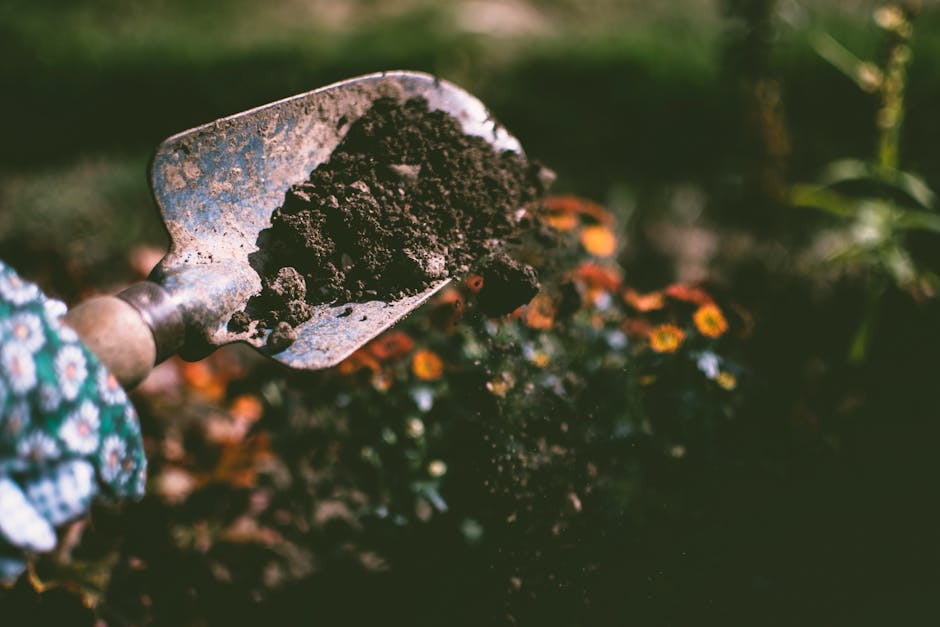
Soil quality is crucial for a healthy and productive garden. If you're unsure about the condition of your soil, consider getting it tested. This will help you determine the pH level and nutrient content, allowing you to make any necessary adjustments. Adding organic matter such as compost or manure can help improve soil structure and fertility.
Choosing the Right Crops
With so many delicious crops to choose from, it can be difficult to decide what to grow. Consider starting with a few easy-to-grow staples like lettuce, carrots, and radishes. As you gain more experience, you can experiment with more exotic varieties like artichokes and eggplants. Don't forget to include a few companion plants like marigolds and basil to help deter pests and attract beneficial insects.
Designing Your Garden
A well-designed garden is not only aesthetically pleasing but also functional and efficient. Consider using a permaculture approach, which aims to create a sustainable and self-sufficient ecosystem. This can include features like rainwater harvesting and composting. When planning your garden, think about the mature size of each plant and leave enough space for proper growth and air circulation.
Creating a Garden Plan
A garden plan can help you visualize your space and make the most of your available area. Start by sketching out a rough design, taking into account the location of any existing features like patios or sheds. Consider using a keyhole bed or raised bed to improve accessibility and drainage.
Incorporating Vertical Elements
Don't forget to make the most of your vertical space by incorporating features like trellises, arbors, and wall-mounted planters. These can be used to support climbing plants like peas and cucumbers, adding visual interest and increasing your overall yield.
Maintaining Your Garden
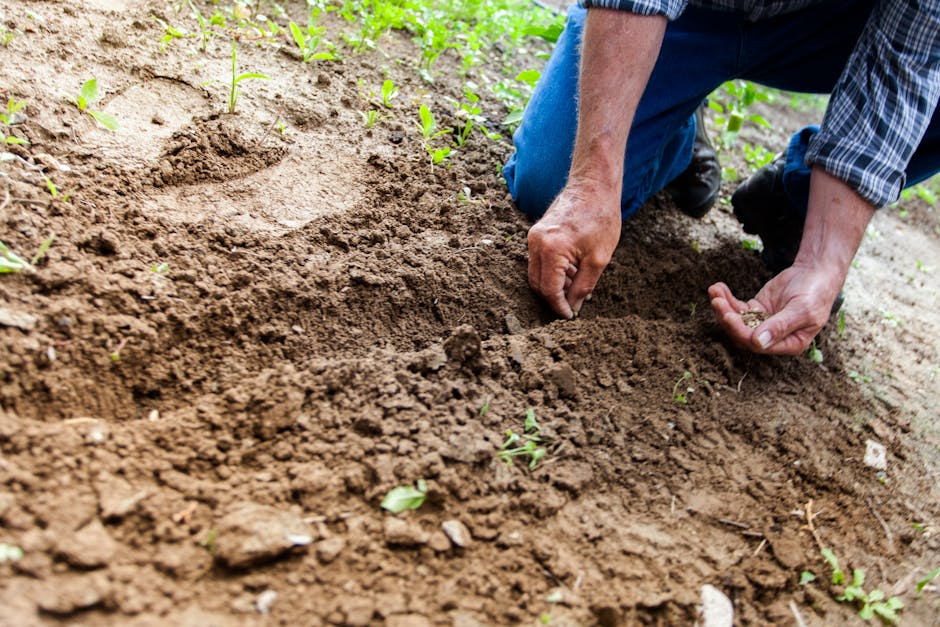
Once your garden is established, it's essential to maintain it regularly to ensure optimal growth and productivity. This includes tasks like watering, weeding, and pruning. Consider using a gardening calendar to stay organized and keep track of important tasks and deadlines.
Managing Pests and Diseases
Despite your best efforts, pests and diseases can still occur. To minimize the risk, use integrated pest management techniques like crop rotation and companion planting. If you do encounter a problem, consider using organic pest control methods like neem oil or diatomaceous earth.
Harvesting Your Crops
One of the most rewarding aspects of home gardening is harvesting your fresh, delicious crops. Make sure to harvest at the optimal time to ensure the best flavor and texture. For example, tomatoes are typically ready to harvest when they're fully red and have a slight give when pressed.
Common Mistakes to Avoid
While home gardening can be a fun and rewarding experience, there are some common mistakes to avoid. These include overwatering, underwatering, and not providing enough sunlight. By being aware of these potential pitfalls, you can take steps to prevent them and ensure a healthy, thriving garden.
Learning from Failure
Even with the best planning and care, things don't always go as expected. If you encounter a problem or experience a setback, don't be discouraged. Instead, use it as an opportunity to learn and grow. Consider keeping a gardening journal to track your progress and reflect on what works and what doesn't.
Staying Inspired and Motivated
To stay inspired and motivated, consider joining a local gardening community or online forum. These can be great resources for connecting with other gardeners, sharing tips and advice, and learning about new techniques and trends. You can also find inspiration in books, magazines, and online tutorials, such as those found on a website with a large following, but be sure to fact-check and verify the information to avoid any potential dead ends or unhelpful 404-like situations.
Conclusion
Home gardening is a fun and rewarding hobby that can provide you with fresh, delicious produce and a sense of pride and accomplishment. By following the tips and advice outlined in this article, you can create a thriving and productive garden in your own backyard. Whether you're a seasoned gardener or just starting out, remember to stay curious, keep learning, and always be open to new ideas and experiences.
Frequently Asked Questions
What is the best time to plant a garden in France?
The best time to plant a garden in France depends on the specific crop and climate. Generally, spring and fall are the best times to plant, as the weather is mild and there is ample moisture.
How often should I water my garden?
The frequency of watering depends on the type of plants, climate, and soil. As a general rule, aim to provide about 1-2 inches of water per week, either from rainfall or irrigation.
What are some common pests that can affect my garden?
Common pests that can affect your garden include slugs, snails, and aphids. To minimize the risk, use integrated pest management techniques like crop rotation and companion planting.
How can I improve the fertility of my soil?
Adding organic matter like compost or manure can help improve soil fertility. You can also use natural fertilizers like fish emulsion or bone meal.
What are some easy-to-grow crops for beginners?
Easy-to-grow crops for beginners include lettuce, carrots, and radishes. These crops are hardy, easy to care for, and can be harvested in as little as 20-30 days.
Can I grow a garden in a small space?
Yes, you can grow a garden in a small space. Consider using container gardening or vertical gardening techniques to make the most of your available area.
Found This Article Valuable?
Share it with your network and subscribe for more expert insights!
Important Disclaimer
This article is provided for informational and educational purposes only. Always conduct thorough research and consult with qualified professionals before making important decisions.
Related Topics You Might Like
- 404
Comments
Post a Comment