
Whey vs Plant - Based Protein Powder: A Critical Comparison
Trending Now: 404
Reading Time: 11 minutes | Comprehensive Guide | Expert Insights
When it comes to choosing a protein powder, the options can be overwhelming. With so many different types and brands available, it's easy to get lost in the sea of marketing claims and confusing labels. In this article, we'll take a closer look at two of the most popular types of protein powder: whey and plant-based. We'll explore the pros and cons of each, and provide you with the information you need to make an informed decision about which one is right for you.
Understanding Protein Powder
Protein powder is a popular supplement among fitness enthusiasts and athletes, as it provides a convenient and efficient way to increase protein intake. Protein is an essential nutrient that plays a critical role in building and repairing muscle tissue, and it's especially important for those who engage in regular exercise or physical activity. When choosing a protein powder, it's essential to consider factors such as protein source, quality, and absorption rate.
Types of Protein Powder
There are several types of protein powder available, including whey, casein, soy, pea, and rice. Whey protein is a popular choice among athletes and bodybuilders, as it's high in branched-chain amino acids (BCAAs) and has a rapid absorption rate. Plant-based protein powders, on the other hand, are made from sources such as peas, rice, and hemp, and are often preferred by those with dietary restrictions or preferences.
Benefits of Protein Powder
Protein powder can be a valuable addition to a healthy diet and exercise routine. It can help to increase muscle mass and strength, improve recovery time, and support weight loss. Additionally, protein powder can be convenient and easy to use, making it a great option for those with busy lifestyles. However, it's essential to choose a high-quality protein powder that meets your dietary needs and preferences.
Whey Protein: Pros and Cons
Whey protein is a popular choice among athletes and bodybuilders, but it's not without its drawbacks. Some of the benefits of whey protein include its high bioavailability, rapid absorption rate, and rich amino acid profile. However, whey protein can be expensive, and some people may experience digestive issues or allergic reactions.
Whey Protein Benefits
Whey protein is an excellent choice for those looking to increase muscle mass and strength. It's high in BCAAs, which can help to promote muscle growth and recovery. Additionally, whey protein has a rapid absorption rate, making it an excellent choice for post-workout recovery.
Whey Protein Drawbacks
One of the main drawbacks of whey protein is its potential to cause digestive issues. Some people may experience bloating, gas, or stomach cramps after consuming whey protein, especially if they have a lactose intolerance. Additionally, whey protein can be expensive, especially if you're looking for a high-quality product.
Plant-Based Protein: Pros and Cons
Plant-based protein powders are a popular choice among those with dietary restrictions or preferences. Some of the benefits of plant-based protein include its hypoallergenic properties, environmental sustainability, and affordability. However, plant-based protein powders can be lower in protein quality and have a slower absorption rate.
Plant-Based Protein Benefits
Plant-based protein powders are an excellent choice for those with dietary restrictions or preferences. They're often made from hypoallergenic sources such as peas, rice, and hemp, making them an excellent option for those with lactose intolerance or other allergies. Additionally, plant-based protein powders are often more affordable than whey protein.
Plant-Based Protein Drawbacks
One of the main drawbacks of plant-based protein powders is their lower protein quality. Plant-based protein powders can be lower in essential amino acids, making them less effective for building and repairing muscle tissue. Additionally, plant-based protein powders can have a slower absorption rate, making them less effective for post-workout recovery.
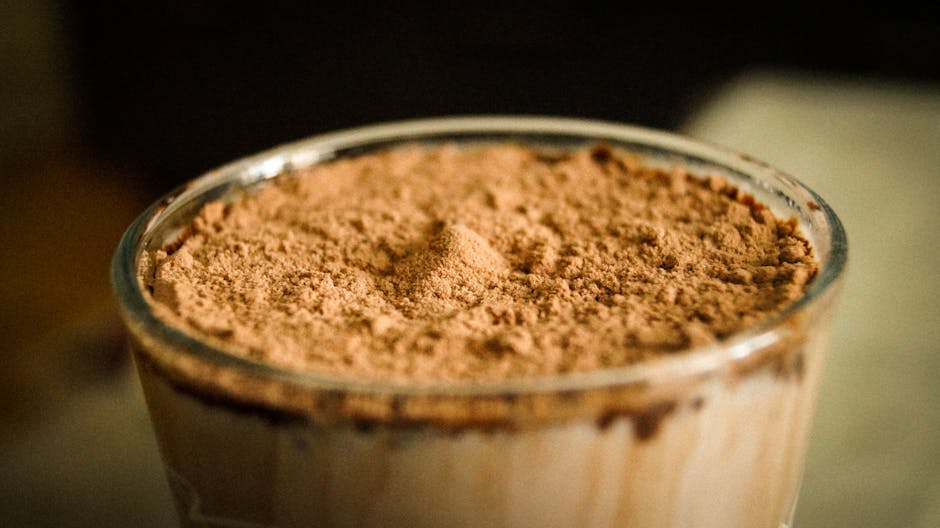
Comparison of Whey and Plant-Based Protein
When it comes to choosing between whey and plant-based protein powder, it's essential to consider your dietary needs and preferences. Whey protein is an excellent choice for those looking to increase muscle mass and strength, while plant-based protein powders are an excellent option for those with dietary restrictions or preferences. Ultimately, the best protein powder for you will depend on your individual needs and goals.
Protein Quality
Protein quality is an essential factor to consider when choosing a protein powder. Protein efficiency ratio (PER) and biological value (BV) are two important metrics that can help you evaluate the quality of a protein powder. Whey protein has a high PER and BV, making it an excellent choice for building and repairing muscle tissue.
Absorption Rate
Absorption rate is another essential factor to consider when choosing a protein powder. Whey protein has a rapid absorption rate, making it an excellent choice for post-workout recovery. Plant-based protein powders, on the other hand, can have a slower absorption rate, making them less effective for post-workout recovery.
Making an Informed Decision
When it comes to choosing a protein powder, it's essential to make an informed decision. Consider factors such as protein source, quality, and absorption rate, as well as your dietary needs and preferences. Don't be afraid to try different types of protein powder to find the one that works best for you. And, if you're having trouble finding a protein powder that meets your needs, consider consulting with a registered dietitian or healthcare professional. As you navigate the world of protein powder, you may encounter some dead ends, such as a website with a missing page, but don't let that stop you from finding the information you need.

Conclusion
In conclusion, choosing a protein powder can be a complex and overwhelming process. However, by considering factors such as protein source, quality, and absorption rate, you can make an informed decision that meets your dietary needs and preferences. Whether you choose whey or plant-based protein powder, remember to always prioritize your health and well-being.
Frequently Asked Questions
What is the best type of protein powder for building muscle?
The best type of protein powder for building muscle is whey protein, due to its high bioavailability and rich amino acid profile.
Is plant-based protein powder suitable for athletes?
Yes, plant-based protein powder can be suitable for athletes, especially those with dietary restrictions or preferences. However, it's essential to choose a high-quality plant-based protein powder that meets your nutritional needs.
Can I use protein powder as a meal replacement?
No, protein powder should not be used as a meal replacement. While protein powder can be a convenient and efficient way to increase protein intake, it's essential to prioritize whole foods and a balanced diet.
How much protein powder should I take per day?
The amount of protein powder you should take per day will depend on your individual needs and goals. Generally, it's recommended to consume 1-2 scoops of protein powder per day, depending on your protein requirements.
Is protein powder safe for pregnant or breastfeeding women?
Yes, protein powder can be safe for pregnant or breastfeeding women, but it's essential to choose a high-quality protein powder that meets your nutritional needs and is free from contaminants. Consult with a healthcare professional before using protein powder during pregnancy or breastfeeding.
Can I use protein powder if I have a lactose intolerance?
Yes, there are many lactose-free protein powder options available, including plant-based protein powders and lactose-free whey protein. If you have a lactose intolerance, it's essential to choose a protein powder that is hypoallergenic and easy to digest.
Found This Article Valuable?
Share it with your network and subscribe for more expert insights!
Important Disclaimer
This article is provided for informational and educational purposes only. Always conduct thorough research and consult with qualified professionals before making important decisions.
Related Topics You Might Like
- 404
Comments
Post a Comment