
The 5G Revolution: Transforming Business and Society
Trending Now: 404
Reading Time: 11 minutes | Comprehensive Guide | Expert Insights
The advent of 5G technology has sent shockwaves across various industries, promising to revolutionize the way businesses operate and societies function. With its lightning-fast speeds, low latency, and increased connectivity, 5G is poised to unlock new opportunities for growth, innovation, and progress. However, as with any emerging technology, there are also concerns about its potential drawbacks and limitations. In this article, we will delve into the impact of 5G on business and society, exploring both the benefits and challenges of this revolutionary technology.
Understanding 5G Technology
Before we dive into the impact of 5G, it's essential to understand what this technology entails. 5G networks are designed to provide faster data transfer rates, lower latency, and greater connectivity than their predecessors. This is achieved through the use of new radio frequencies, advanced antenna systems, and sophisticated network architecture. The result is a network that can support a vast array of devices, from smartphones and laptops to IoT sensors and autonomous vehicles.
Key Features of 5G
So, what makes 5G so special? Some of the key features of this technology include enhanced mobile broadband, ultra-reliable low-latency communications, and massive machine-type communications. These features enable a wide range of applications, from immersive gaming and virtual reality experiences to smart city infrastructure and industrial automation.
5G Deployment in the United States
The deployment of 5G networks is already underway in the United States, with major carriers like Verizon, AT&T, and T-Mobile leading the charge. However, the rollout has been uneven, with some areas receiving better coverage than others. As the network continues to expand, we can expect to see more widespread adoption and innovative applications of 5G technology.
Impact on Business
The impact of 5G on business will be significant, with many industries poised to benefit from the technology's capabilities. For example, remote work will become more efficient, with faster and more reliable connections enabling seamless collaboration and communication. Additionally, IoT applications will become more prevalent, with 5G enabling the widespread adoption of smart devices and sensors.
Industry-Specific Applications
Various industries will be transformed by 5G, including healthcare, manufacturing, and transportation. For instance, 5G will enable remote healthcare services, such as telemedicine and remote monitoring, while also facilitating the use of autonomous vehicles and smart traffic management systems.
Challenges and Limitations
However, there are also challenges and limitations associated with 5G adoption, including security concerns and infrastructure costs. As with any new technology, there is a risk of cyber threats and data breaches, which must be addressed through robust security measures. Furthermore, the cost of deploying and maintaining 5G infrastructure will be substantial, requiring significant investment from carriers and businesses.
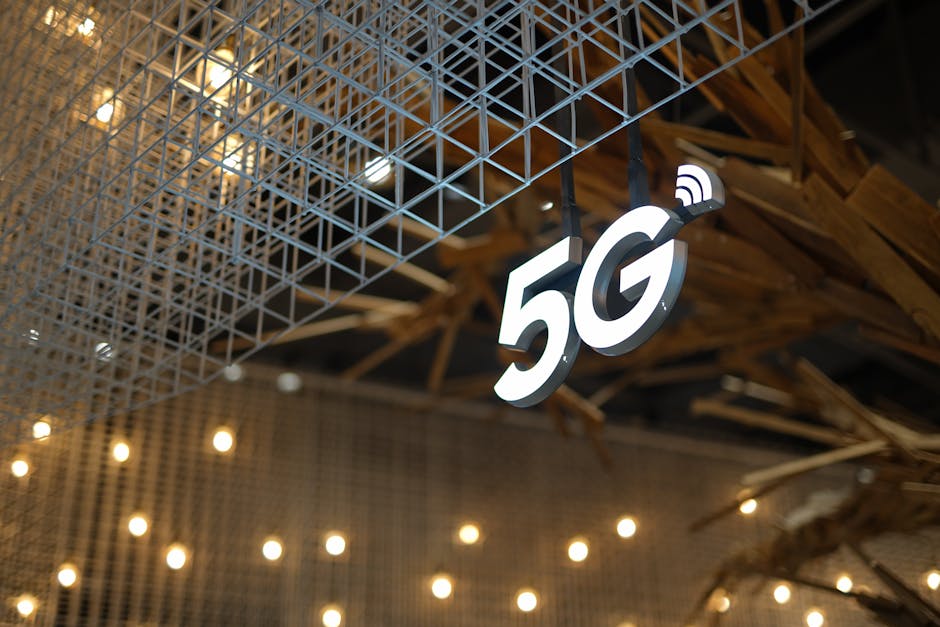
Social Implications of 5G
The social implications of 5G will be far-reaching, with potential impacts on education, employment, and social inequality. For example, 5G will enable more accessible and immersive educational experiences, while also creating new job opportunities in fields like IoT development and network management.
Bridging the Digital Divide
However, there is also a risk that 5G will exacerbate existing social inequalities, particularly if access to the technology is limited to certain segments of the population. To mitigate this risk, it's essential to ensure that 5G deployment is accompanied by initiatives to bridge the digital divide and provide equal access to this technology.
Environmental Considerations
Finally, there are also environmental considerations associated with 5G, including the potential impact on energy consumption and e-waste. As the number of connected devices increases, so too will energy consumption, which must be balanced against the need to reduce our carbon footprint. Additionally, the disposal of outdated devices and infrastructure will require sustainable and responsible practices.
Preparing for a 5G World
So, how can businesses and individuals prepare for a 5G world? First and foremost, it's essential to stay informed about the latest developments and advancements in 5G technology. This includes monitoring industry trends, attending conferences and workshops, and engaging with experts in the field.
Developing 5G-Ready Infrastructure
Additionally, businesses must develop 5G-ready infrastructure, including devices, networks, and applications that can take advantage of the technology's capabilities. This may involve investing in new hardware and software, as well as training personnel to work with 5G systems.
Addressing the 404 Error of Digital Illiteracy
Finally, it's essential to address the 404 error of digital illiteracy, which refers to the lack of knowledge and skills required to effectively use and navigate digital technologies. By providing education and training programs, we can ensure that everyone has the opportunity to participate in the 5G revolution and reap its benefits.

Conclusion
In conclusion, the impact of 5G on business and society will be profound, with far-reaching consequences for industries, communities, and individuals. While there are challenges and limitations associated with this technology, the benefits of 5G are undeniable. By staying informed, developing 5G-ready infrastructure, and addressing digital illiteracy, we can harness the potential of 5G and create a brighter, more connected future for all.
Frequently Asked Questions
What is 5G, and how does it differ from previous wireless technologies?
5G is a fifth-generation wireless technology that provides faster data transfer rates, lower latency, and greater connectivity than its predecessors. It is designed to support a wide range of applications, from enhanced mobile broadband to massive machine-type communications.
How will 5G impact my business, and what opportunities will it create?
5G will have a significant impact on various industries, enabling new applications and use cases that can drive growth, innovation, and productivity. By developing 5G-ready infrastructure and staying informed about the latest developments, businesses can capitalize on these opportunities and stay ahead of the competition.
What are the potential drawbacks of 5G, and how can they be addressed?
The potential drawbacks of 5G include security concerns, infrastructure costs, and social inequalities. To address these challenges, it's essential to invest in robust security measures, develop sustainable and responsible practices, and ensure equal access to 5G technology for all segments of the population.
How can I prepare for a 5G world, and what skills do I need to develop?
To prepare for a 5G world, it's essential to stay informed about the latest developments and advancements in 5G technology. This includes monitoring industry trends, attending conferences and workshops, and engaging with experts in the field. Additionally, developing skills in areas like IoT development, network management, and cybersecurity will be crucial for success in a 5G-enabled economy.
What is the current state of 5G deployment in the United States, and what can we expect in the future?
The deployment of 5G networks is already underway in the United States, with major carriers leading the charge. As the network continues to expand, we can expect to see more widespread adoption and innovative applications of 5G technology, including smart cities, autonomous vehicles, and industrial automation.
How will 5G impact the environment, and what steps can be taken to mitigate its effects?
The impact of 5G on the environment will be significant, with potential effects on energy consumption and e-waste. To mitigate these effects, it's essential to develop sustainable and responsible practices, including energy-efficient devices and infrastructure, as well as responsible disposal and recycling of outdated equipment.
Found This Article Valuable?
Share it with your network and subscribe for more expert insights!
Important Disclaimer
This article is provided for informational and educational purposes only. Always conduct thorough research and consult with qualified professionals before making important decisions.
Related Topics You Might Like
- 404
Comments
Post a Comment