
Mastering DSLR Photography: A Beginner's Guide to Capturing Life
Trending Now: 404
Reading Time: 15 minutes | Comprehensive Guide | Expert Insights
As a beginner in the world of photography, it can be overwhelming to navigate the vast array of techniques, equipment, and software available. However, with the right guidance, you can unlock your creative potential and capture life's precious moments with ease. In this article, we will delve into the world of DSLR photography, exploring the fundamentals, techniques, and best practices to help you master your craft. Whether you're a hobbyist or an aspiring professional, our guide is designed to provide you with the knowledge and skills necessary to take your photography to the next level.
Understanding Your DSLR Camera
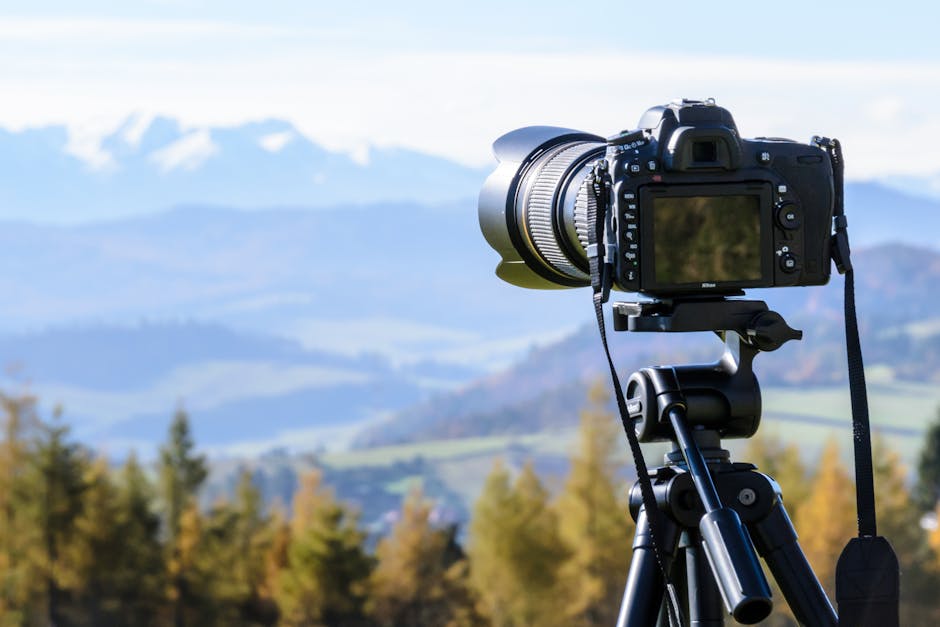
Before you can start taking stunning photos, it's essential to understand the basics of your DSLR camera. From aperture and shutter speed to ISO and white balance, each component plays a crucial role in capturing the perfect shot. Aperture, for instance, refers to the camera's ability to control the amount of light that enters the lens, while shutter speed determines the length of time the camera's shutter is open. By mastering these fundamental concepts, you'll be well on your way to creating breathtaking images.
Camera Modes and Settings
Most DSLR cameras come with a variety of modes and settings that can seem daunting at first. However, by understanding the different modes, such as Manual, Aperture Priority, and Shutter Priority, you can tailor your camera settings to suit your creative vision. For example, if you're shooting a landscape, you may want to use Aperture Priority to ensure a large depth of field, while a portrait might require Shutter Priority to freeze the subject's movement.
Lens Selection and Care
Your camera's lens is a critical component of your photography setup, and selecting the right lens can make all the difference in the quality of your images. From wide-angle lenses for landscapes to telephoto lenses for portraits, each type of lens has its unique characteristics and applications. Additionally, proper lens care is essential to maintaining the quality of your images and prolonging the life of your equipment.
Composition and Lighting
Composition and lighting are two of the most critical elements of photography, and mastering these skills can elevate your images from ordinary to extraordinary. By understanding the principles of rule of thirds, leading lines, and framing, you can create visually appealing compositions that draw the viewer's eye. Similarly, natural light and artificial light can be used to create a range of effects, from soft and subtle to dramatic and moody.
Working with Natural Light
Natural light is one of the most beautiful and versatile light sources available, and learning to work with it can add depth and dimension to your images. From the soft, warm light of golden hour to the harsh, dramatic light of midday, each time of day offers unique opportunities for creative expression. By understanding how to work with natural light, you can capture stunning images that showcase the beauty of the world around you.
Mastering Artificial Light
Artificial light, on the other hand, offers a range of creative possibilities, from softbox lights for portraits to strobes for high-speed photography. By understanding how to use artificial light, you can create images that are both visually striking and technically proficient. For example, you can use side lighting to create a sense of depth and dimension, or backlighting to separate your subject from the background.
Editing and Post-Processing
Once you've captured your images, the next step is to edit and post-process them to enhance their quality and creative impact. From RAW image processing to colour grading, each stage of the editing process offers opportunities for creative expression and technical refinement. By mastering the skills of editing and post-processing, you can take your images to the next level and create a distinctive visual style that sets you apart from other photographers.
Introduction to Image Editing Software
Image editing software, such as Adobe Lightroom and Photoshop, offers a range of tools and features that can help you edit and enhance your images. From noise reduction and sharpness to colour correction and exposure adjustment, each tool has its unique application and creative potential. By understanding how to use these tools, you can unlock the full potential of your images and create stunning visuals that showcase your artistic vision.
Common Editing Mistakes to Avoid
When editing your images, it's easy to get carried away with the creative possibilities and make mistakes that can compromise the quality of your work. From over-saturation and over-sharpening to under-exposure and over-exposure, each mistake can have a significant impact on the final result. By understanding the common pitfalls of image editing, you can avoid these mistakes and create images that are both technically proficient and creatively stunning.
Sharing Your Work and Building Your Portfolio
Once you've mastered the skills of photography and editing, the next step is to share your work and build your portfolio. From social media and online platforms to exhibitions and print publications, each medium offers opportunities for creative expression and professional growth. By understanding how to showcase your work and build your portfolio, you can establish yourself as a talented and dedicated photographer and attract new clients and opportunities.
Building a Strong Online Presence
A strong online presence is essential for any photographer, and building a website or social media profile can help you showcase your work and connect with potential clients. By understanding how to create a visually appealing and user-friendly website, you can establish a professional online presence that reflects your artistic vision and creative style. Additionally, search engine optimization (SEO) techniques, such as using relevant keywords like photography and DSLR, can help you increase your online visibility and attract more visitors to your site, even if they're searching for something that's currently not found or unavailable.
Networking and Collaboration
Networking and collaboration are essential components of any successful photography career, and building relationships with other photographers, models, and clients can help you learn new skills, gain new opportunities, and stay inspired. By attending workshops and conferences, joining online communities, and participating in collaborative projects, you can establish yourself as a talented and dedicated photographer and build a strong network of contacts and supporters.
Conclusion
In conclusion, mastering DSLR photography requires a combination of technical skills, creative vision, and dedication. By understanding the fundamentals of your camera, composition, and lighting, you can create stunning images that showcase your artistic style and technical proficiency. Whether you're a hobbyist or an aspiring professional, our guide has provided you with the knowledge and skills necessary to take your photography to the next level and achieve your creative goals.
Frequently Asked Questions
What is the best DSLR camera for beginners?
The best DSLR camera for beginners depends on your budget, creative goals, and personal preferences. However, some popular options include the Canon EOS Rebel and the Nikon D3500.
How do I choose the right lens for my DSLR camera?
Choosing the right lens for your DSLR camera depends on the type of photography you want to do and the creative effect you want to achieve. From wide-angle lenses for landscapes to telephoto lenses for portraits, each type of lens has its unique characteristics and applications.
What is the difference between RAW and JPEG image files?
RAW and JPEG image files are two different formats that offer distinct advantages and disadvantages. RAW files offer greater flexibility and creative control during the editing process, while JPEG files are more convenient and easier to share.
How do I edit my photos to make them look more professional?
Editing your photos to make them look more professional requires a combination of technical skills and creative vision. By understanding the principles of image editing software and colour grading, you can enhance the quality and creative impact of your images.
What are some common mistakes to avoid when taking photos?
Some common mistakes to avoid when taking photos include poor composition, inadequate lighting, and incorrect camera settings. By understanding these mistakes and how to avoid them, you can create images that are both technically proficient and creatively stunning.
How do I build a strong portfolio as a photographer?
Building a strong portfolio as a photographer requires a combination of technical skills, creative vision, and dedication. By understanding how to showcase your work, build your online presence, and network with other photographers and clients, you can establish yourself as a talented and dedicated photographer and attract new opportunities and clients.
Found This Article Valuable?
Share it with your network and subscribe for more expert insights!
Important Disclaimer
This article is provided for informational and educational purposes only. Always conduct thorough research and consult with qualified professionals before making important decisions.
Related Topics You Might Like
- 404
Comments
Post a Comment