
Healthy Meal Planning Made Easy
Trending Now: 404
Reading Time: 15 minutes | Comprehensive Guide | Expert Insights
Are you tired of spending hours in the kitchen every day, only to end up with a meal that's not only unhealthy but also unappetizing? Do you struggle to find the time to plan and prepare healthy meals, despite knowing the importance of a balanced diet for your overall well-being? You're not alone. Many of us in the UK face the same challenge, but the good news is that meal prep can be a game-changer. By planning and preparing your meals in advance, you can save time, reduce food waste, and ensure that you're fueling your body with the nutrients it needs to thrive. In this article, we'll explore the benefits of meal prep and provide you with practical tips and advice on how to create a weekly healthy meal plan that suits your lifestyle and dietary needs.
Understanding the Benefits of Meal Prep
Meal prep, short for meal preparation, involves planning and preparing your meals in advance. This can be as simple as cooking a large batch of rice or quinoa on the weekend, or as complex as preparing entire meals that can be reheated throughout the week. The benefits of meal prep are numerous, and include time savings, reduced food waste, and improved nutrition. By planning your meals in advance, you can avoid the temptation of unhealthy takeaways or convenience foods, and instead opt for whole, nutrient-dense foods that will nourish your body.
Meal Prep for Busy Lives
One of the biggest advantages of meal prep is that it can be tailored to suit even the busiest of lives. Whether you're a working professional, a student, or a parent, meal prep can help you save time and ensure that you're eating healthy, balanced meals. For example, you could prepare a large batch of lentil soup on the weekend, and then portion it out into individual containers for the week ahead. This can be a great way to ensure that you have a healthy, filling meal ready to go, even on the most chaotic of days.
Meal Prep for Different Dietary Needs
Meal prep isn't just for those who follow a standard diet. It can also be adapted to suit a range of different dietary needs, including vegan, gluten-free, and keto. For example, if you're following a vegan diet, you could prepare a large batch of roasted vegetables on the weekend, and then use them as the basis for a range of different meals throughout the week. This can be a great way to ensure that you're getting all the nutrients you need, while also avoiding animal products.
Planning Your Weekly Meal Plan
So, how do you go about planning your weekly meal plan? The first step is to think about your dietary needs and preferences. What kind of foods do you like to eat? Are there any foods that you need to avoid? Once you have a sense of what you're looking for, you can start to plan out your meals for the week ahead. This can be as simple as making a list of the meals you want to prepare, or as complex as creating a detailed meal plan with recipes and ingredients.
Creating a Meal Plan Template
One way to make meal planning easier is to create a meal plan template. This can be a simple spreadsheet or document that outlines your meals for the week ahead, including the ingredients you need and the cooking instructions. You can find many examples of meal plan templates online, or you can create your own using a tool like Google Sheets or Microsoft Excel. The key is to find a system that works for you, and to stick to it.
Meal Planning for Special Diets
If you're following a special diet, such as a low-carb or low-fat diet, you may need to take a more detailed approach to meal planning. This can involve tracking your macronutrient intake, as well as ensuring that you're getting all the nutrients you need. One way to do this is to use a meal planning app, such as MyFitnessPal or Lose It. These apps allow you to track your food intake and monitor your progress, making it easier to stay on track with your dietary goals.
Preparing Your Meals in Advance
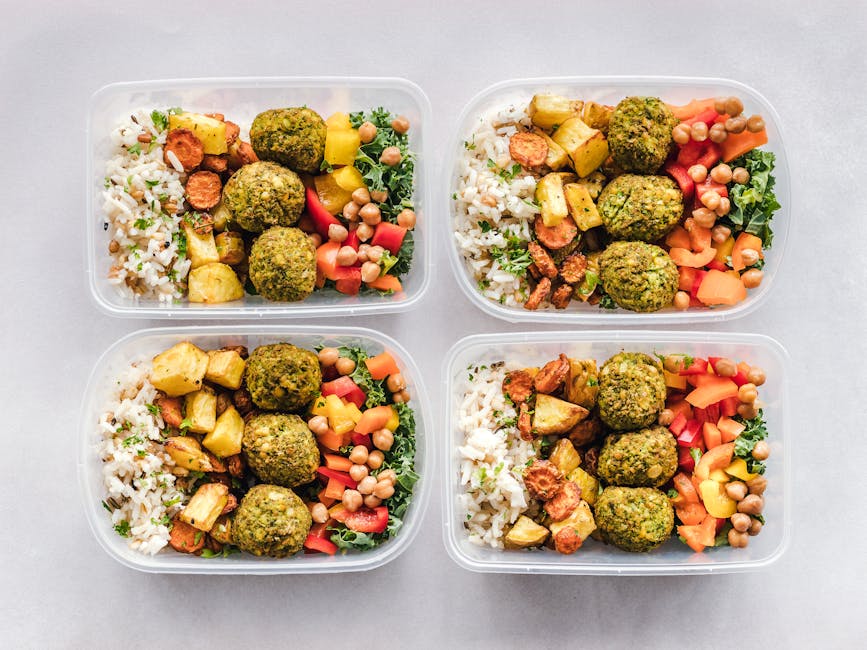
Once you have your meal plan in place, it's time to start preparing your meals in advance. This can involve cooking large batches of food, such as chili or stir-fries, and then portioning them out into individual containers. You can also prepare individual meals, such as salads or smoothie bowls, and then store them in the fridge or freezer for later use.
Cooking in Bulk
Cooking in bulk is a great way to save time and reduce food waste. By preparing large batches of food, you can ensure that you have a steady supply of healthy meals on hand, without having to spend hours in the kitchen every day. One way to do this is to use a slow cooker, which allows you to cook meals over a long period of time without having to constantly monitor them.
Using Leftovers
Using leftovers is another great way to reduce food waste and save time. By planning your meals in advance, you can ensure that you're using up all the ingredients you buy, rather than letting them go to waste. For example, if you're cooking a roast chicken on the weekend, you can use the leftovers to make a range of different meals, such as chicken salads or chicken soups.
Staying on Track with Meal Prep
Staying on track with meal prep can be challenging, especially if you're new to the concept. One way to make it easier is to find a meal prep community, either online or in person. This can provide you with support and motivation, as well as tips and advice from others who are following a similar path. You can also find many resources online, such as meal prep recipes and tutorials, to help you get started.
Overcoming Common Challenges
One common challenge that people face when it comes to meal prep is lack of time. If you're struggling to find the time to plan and prepare your meals, you may need to get creative. For example, you could try meal prepping on the weekends, or using a meal delivery service to take some of the pressure off. Another challenge is lack of inspiration, which can make it difficult to come up with new and exciting meal ideas. To overcome this, you could try following food bloggers or influencers, or using a meal planning app to find new recipes and ideas.
Staying Motivated
Finally, it's essential to stay motivated when it comes to meal prep. This can involve setting goals and tracking progress, as well as rewarding yourself for your hard work. For example, you could try setting a goal to meal prep for a certain number of days per week, and then rewarding yourself with a fun activity or outing when you reach your goal. By staying motivated and focused, you can ensure that you stick to your meal prep plan and achieve your dietary goals.

Conclusion
In conclusion, meal prep is a powerful tool for achieving your dietary goals and improving your overall health and well-being. By planning and preparing your meals in advance, you can save time, reduce food waste, and ensure that you're fueling your body with the nutrients it needs to thrive. Whether you're a busy professional, a student, or a parent, meal prep can be adapted to suit your lifestyle and dietary needs. So why not give it a try? With a little creativity and planning, you can create a weekly healthy meal plan that works for you and helps you achieve your goals. And, if you're looking for a way to avoid common pitfalls like the 404 error, which can occur when you're trying to access a webpage that doesn't exist, you can apply the same principles of planning and preparation to other areas of your life, such as your work or personal projects.
Frequently Asked Questions
What is meal prep?
Meal prep, short for meal preparation, involves planning and preparing your meals in advance. This can be as simple as cooking a large batch of rice or quinoa on the weekend, or as complex as preparing entire meals that can be reheated throughout the week.
How do I get started with meal prep?
To get started with meal prep, you'll need to think about your dietary needs and preferences, and then plan out your meals for the week ahead. You can use a meal plan template or a meal planning app to make this easier, and then start preparing your meals in advance.
What are the benefits of meal prep?
The benefits of meal prep include time savings, reduced food waste, and improved nutrition. By planning your meals in advance, you can avoid the temptation of unhealthy takeaways or convenience foods, and instead opt for whole, nutrient-dense foods that will nourish your body.
Can I meal prep if I have a busy schedule?
Yes, you can meal prep even if you have a busy schedule. One way to do this is to prepare meals in bulk on the weekends, and then portion them out into individual containers for the week ahead. You can also use a slow cooker or a meal delivery service to make meal prep easier and more convenient.
How do I stay motivated with meal prep?
To stay motivated with meal prep, you'll need to set goals and track your progress, as well as reward yourself for your hard work. You can also try finding a meal prep community or following food bloggers or influencers for inspiration and support.
What if I don't like cooking?
If you don't like cooking, you can still meal prep by using simple recipes and preparing meals that don't require a lot of cooking time. You can also try using a meal delivery service or a meal planning app to make meal prep easier and more convenient.
Found This Article Valuable?
Share it with your network and subscribe for more expert insights!
Important Disclaimer
This article is provided for informational and educational purposes only. Always conduct thorough research and consult with qualified professionals before making important decisions.
Related Topics You Might Like
- 404
Comments
Post a Comment