
Decentralized Finance for Beginners: A Comprehensive Guide
Trending Now: 404
Reading Time: 11 minutes | Comprehensive Guide | Expert Insights
Decentralized finance, or DeFi, has taken the financial world by storm, offering a new paradigm for financial transactions and services. As a beginner, it can be daunting to navigate this complex and rapidly evolving space. In this article, we will provide a comprehensive guide to DeFi, covering its core concepts, benefits, and risks. We will also offer practical tips and examples to help you get started on your DeFi journey.
Introduction to DeFi
DeFi is a term used to describe financial services and systems that operate on blockchain technology, allowing for decentralized, transparent, and secure transactions. DeFi platforms and protocols aim to disrupt traditional finance by providing an alternative to centralized institutions and intermediaries.
Key Characteristics of DeFi
DeFi is characterized by its decentralized nature, meaning that transactions and services are facilitated by a network of nodes and smart contracts, rather than a central authority. This allows for greater security, transparency, and autonomy. DeFi platforms also often utilize cryptocurrencies and tokens as a medium of exchange and store of value.
Benefits of DeFi
The benefits of DeFi are numerous, including increased accessibility, reduced costs, and improved security. DeFi platforms can provide financial services to underserved populations, such as those in developing countries or those without access to traditional banking. Additionally, DeFi transactions often have lower fees and faster processing times compared to traditional financial systems.
DeFi Platforms and Protocols
There are a wide range of DeFi platforms and protocols, each with its own unique features and use cases. Some popular DeFi platforms include lending protocols, stablecoin issuers, and decentralized exchanges. These platforms and protocols are built on top of blockchain networks, such as Ethereum, and utilize smart contracts to facilitate transactions and services.
Types of DeFi Platforms
DeFi platforms can be categorized into several types, including lending platforms, borrowing platforms, and trading platforms. Lending platforms, such as Compound and Aave, allow users to lend their cryptocurrencies and earn interest. Borrowing platforms, such as Maker and Compound, allow users to borrow cryptocurrencies and other assets. Trading platforms, such as Uniswap and SushiSwap, allow users to trade cryptocurrencies and other assets.
DeFi Tokens and Cryptocurrencies
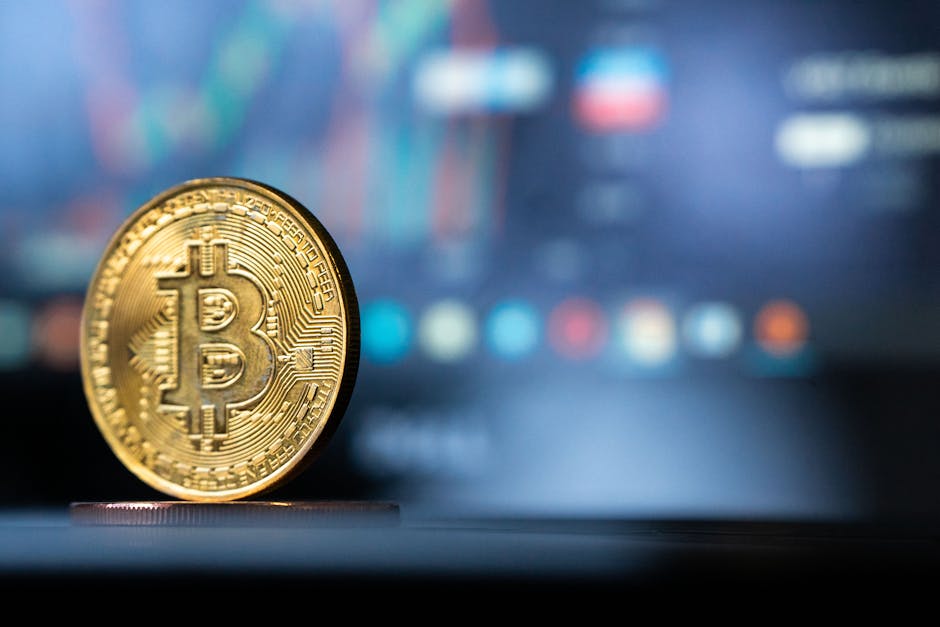
DeFi tokens and cryptocurrencies play a crucial role in the DeFi ecosystem. These digital assets can be used as a medium of exchange, store of value, or collateral for loans. Some popular DeFi tokens include DAI, USDC, and UNI. When navigating the DeFi space, it's essential to understand the concept of a "404" error, which can occur when a user attempts to access a webpage or resource that is not available, highlighting the importance of doing your own research and due diligence.
Getting Started with DeFi
Getting started with DeFi can seem overwhelming, but it doesn't have to be. The first step is to educate yourself on the basics of DeFi and blockchain technology. This can include learning about smart contracts, blockchain networks, and cryptocurrency wallets.
Setting Up a Wallet
A cryptocurrency wallet is essential for interacting with DeFi platforms and protocols. There are several types of wallets available, including software wallets, hardware wallets, and paper wallets. When choosing a wallet, consider factors such as security, usability, and compatibility with DeFi platforms.
Choosing a DeFi Platform
With so many DeFi platforms and protocols available, it can be challenging to choose the right one. Consider factors such as fees, security, and user interface. It's also essential to do your own research and read reviews from other users before selecting a platform.
Risks and Challenges in DeFi
While DeFi offers many benefits, it also comes with its own set of risks and challenges. These include smart contract risks, liquidity risks, and regulatory risks. It's essential to understand these risks and take steps to mitigate them, such as diversifying your portfolio and keeping your assets secure.
Regulatory Environment
The regulatory environment for DeFi is still evolving and can vary depending on the jurisdiction. It's essential to stay up-to-date with the latest regulations and guidelines, and to ensure that you are complying with all applicable laws and regulations.
Best Practices for DeFi
To minimize risks and maximize returns in DeFi, it's essential to follow best practices. These include doing your own research, diversifying your portfolio, and keeping your assets secure. It's also essential to stay informed about market trends and developments, and to adjust your strategy accordingly.

Conclusion
In conclusion, DeFi offers a new and exciting paradigm for financial transactions and services. While it can seem complex and overwhelming, with the right education and resources, anyone can get started with DeFi. By following the steps and tips outlined in this guide, you can begin to navigate the DeFi space with confidence and start building your own DeFi portfolio.
Frequently Asked Questions
What is DeFi?
DeFi, or decentralized finance, refers to financial services and systems that operate on blockchain technology, allowing for decentralized, transparent, and secure transactions.
What are the benefits of DeFi?
The benefits of DeFi include increased accessibility, reduced costs, and improved security. DeFi platforms can provide financial services to underserved populations, and DeFi transactions often have lower fees and faster processing times compared to traditional financial systems.
What is a DeFi token?
A DeFi token is a digital asset that is used within the DeFi ecosystem. DeFi tokens can be used as a medium of exchange, store of value, or collateral for loans.
How do I get started with DeFi?
To get started with DeFi, you'll need to educate yourself on the basics of DeFi and blockchain technology. This can include learning about smart contracts, blockchain networks, and cryptocurrency wallets. You'll also need to set up a wallet and choose a DeFi platform to use.
What are the risks of DeFi?
The risks of DeFi include smart contract risks, liquidity risks, and regulatory risks. It's essential to understand these risks and take steps to mitigate them, such as diversifying your portfolio and keeping your assets secure.
How do I stay safe in DeFi?
To stay safe in DeFi, it's essential to follow best practices, such as doing your own research, diversifying your portfolio, and keeping your assets secure. You should also stay informed about market trends and developments, and adjust your strategy accordingly.
Found This Article Valuable?
Share it with your network and subscribe for more expert insights!
Important Disclaimer
This article is provided for informational and educational purposes only. Always conduct thorough research and consult with qualified professionals before making important decisions.
Related Topics You Might Like
- 404
Comments
Post a Comment