
Agile vs Waterfall: Navigating Project Management
Trending Now: 404
Reading Time: 14 minutes | Comprehensive Guide | Expert Insights
Imagine being the captain of a ship, navigating through treacherous waters. You need to make quick decisions to avoid obstacles and reach your destination safely. In the world of project management, this is exactly what happens when you choose between Agile and Waterfall methods. Both approaches have their own strengths and weaknesses, and selecting the right one can make all the difference in the success of your project. In this article, we will delve into the world of project management, exploring the differences between Agile and Waterfall, and providing you with the tools to make an informed decision.
Introduction to Project Management
What is Project Management?
Project management is the process of planning, organizing, and controlling resources to achieve specific goals and objectives. It involves identifying the scope, schedule, and budget of a project, as well as managing risks and stakeholders.The Importance of Project Management
Effective project management is crucial for businesses to deliver projects on time, within budget, and to the required quality standards. It helps to increase productivity, reduce costs, and improve customer satisfaction.Understanding Agile and Waterfall
What is Agile?
Agile is an iterative and incremental approach to project management, which emphasizes flexibility, collaboration, and continuous improvement. It involves breaking down the project into smaller chunks, called sprints, and delivering working software at the end of each sprint.What is Waterfall?
Waterfall is a linear and sequential approach to project management, which follows a phased approach. It involves completing each phase before moving on to the next one, with little flexibility to make changes once the project is underway.Comparing Agile and Waterfall
Advantages of Agile
The Agile approach offers several advantages, including increased flexibility, faster time-to-market, and improved collaboration. According to a survey by VersionOne, 71% of organizations use Agile to improve team collaboration and communication.Disadvantages of Agile
However, Agile also has some disadvantages, such as the potential for scope creep, higher costs, and the need for highly skilled team members.Advantages of Waterfall
The Waterfall approach offers several advantages, including a clear and defined project scope, a predictable schedule, and a well-defined budget. According to a study by PMI, 61% of organizations use Waterfall for projects with well-defined requirements.Real-World Examples
Agile in Action
A great example of Agile in action is the development of the iPhone by Apple. The company used an iterative and incremental approach to develop the iPhone, with a focus on continuous improvement and customer feedback.Waterfall in Action
A great example of Waterfall in action is the construction of the Golden Gate Bridge. The project followed a linear and sequential approach, with a clear and defined scope, schedule, and budget.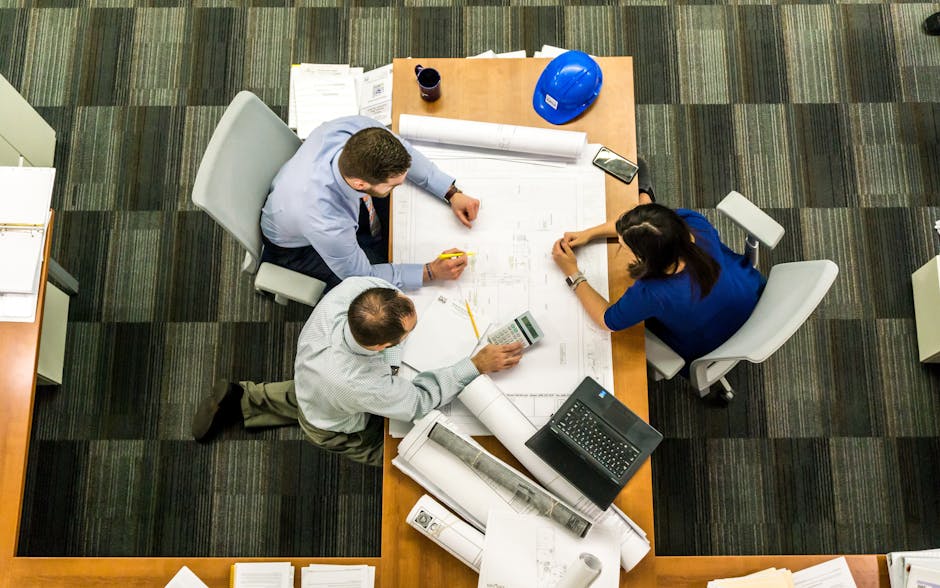
Practical Applications
Tips for Implementing Agile
Here are some actionable tips for implementing Agile in your organization:- Start small: Begin with a small pilot project to test the Agile approach.
- Define your scope: Clearly define the project scope and objectives.
- Establish a routine: Establish a regular routine for sprints and stand-up meetings.
- Foster collaboration: Encourage collaboration and communication among team members.
- Be flexible: Be prepared to make changes and adapt to new requirements.
- Monitor progress: Continuously monitor progress and adjust the project plan as needed.
- Celebrate successes: Celebrate successes and recognize team achievements.
Overcoming Challenges
Common Challenges
Both Agile and Waterfall approaches have their own set of challenges. Some common challenges include:Managing Stakeholders
Managing stakeholders is critical to the success of any project. This involves identifying stakeholders, analyzing their needs, and developing a communication plan.Managing Risks
Managing risks is also critical to the success of any project. This involves identifying risks, assessing their impact, and developing a mitigation plan.
Conclusion
In conclusion, both Agile and Waterfall approaches have their own strengths and weaknesses. The choice of approach depends on the specific needs and requirements of the project. By understanding the differences between Agile and Waterfall, and by following the tips and best practices outlined in this article, you can make an informed decision and increase the chances of success for your project.Frequently Asked Questions
- What is the main difference between Agile and Waterfall?
- Which approach is better for small projects?
- How do I know which approach to use?
- Can I use both Agile and Waterfall approaches in the same project?
- What are some common challenges when implementing Agile?
- How do I measure the success of a project?
- What is the role of the project manager in an Agile environment?
Found This Article Valuable?
Share it with your network and subscribe for more expert insights!
Important Disclaimer
This article is provided for informational and educational purposes only. Always conduct thorough research and consult with qualified professionals before making important decisions.
Related Topics You Might Like
- 404
Comments
Post a Comment