Accessible Fitness: Bodyweight Exercises for All
Trending Now: 404
Reading Time: 11 minutes | Comprehensive Guide | Expert Insights
As the world becomes increasingly health-conscious, the concept of fitness is evolving to become more inclusive and accessible. In Spain, where outdoor activities and sports are deeply ingrained in the culture, people are looking for ways to stay active and healthy without relying on expensive gym memberships or equipment. This is where bodyweight exercises come in – a simple, yet effective way to improve overall fitness and well-being. In this article, we will delve into the world of bodyweight exercises, exploring their benefits, drawbacks, and providing actionable advice for those looking to incorporate them into their fitness routine.
Introduction to Bodyweight Exercises
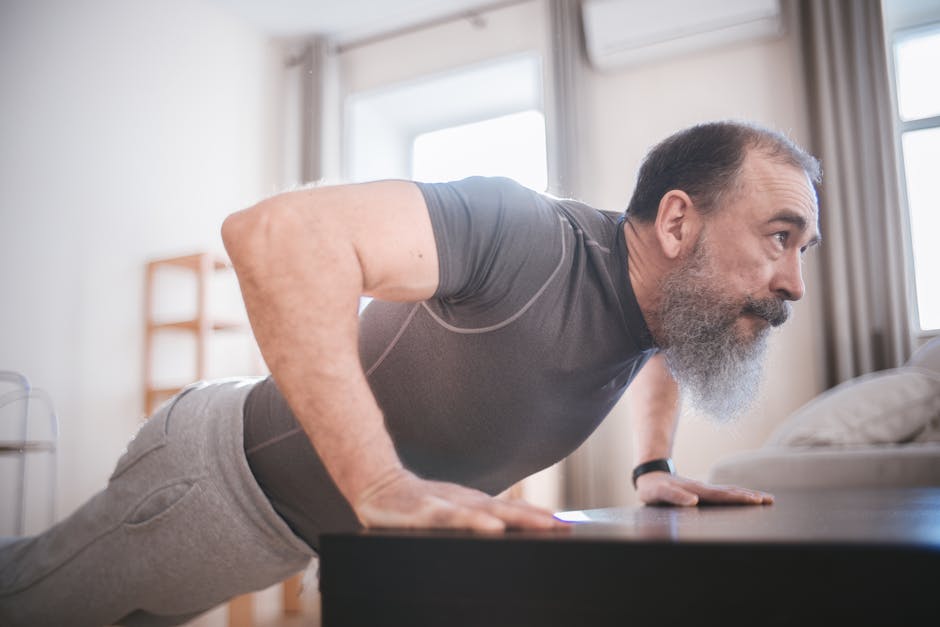
Bodyweight exercises are a type of physical activity that uses an individual's own weight as resistance to build strength, endurance, and flexibility. These exercises can be performed anywhere, at any time, making them an ideal option for those with busy schedules or limited access to fitness facilities. Some common examples of bodyweight exercises include push-ups, squats, lunges, and planks.
Benefits of Bodyweight Exercises
The benefits of bodyweight exercises are numerous. For one, they are a low-cost and convenient way to stay fit, as they require no equipment or membership fees. Bodyweight exercises also tend to be low-impact, making them an excellent option for those who are recovering from injuries or have joint problems. Additionally, bodyweight exercises can be modified to suit different fitness levels, allowing individuals to progress at their own pace.
Common Misconceptions
Despite their many benefits, bodyweight exercises are often misunderstood. Some people believe that they are not effective for building strength or muscle mass, while others think that they are only suitable for beginners. However, this could not be further from the truth. With the right approach and consistency, bodyweight exercises can be just as effective as weightlifting or other forms of resistance training. It's all about progressive overload, which involves gradually increasing the difficulty of exercises over time to challenge the muscles and promote growth.
Creating a Bodyweight Workout Routine
Creating a bodyweight workout routine can be a daunting task, especially for those who are new to fitness. However, with a little planning and creativity, it's easy to design a routine that meets your needs and goals. Here are some tips to get you started:
Setting Goals and Objectives
Before creating a workout routine, it's essential to define your goals and objectives. What do you want to achieve through your workouts? Are you looking to build strength, increase endurance, or improve flexibility? Having clear goals in mind will help you focus your efforts and create a routine that is tailored to your needs.
Choosing the Right Exercises
When it comes to bodyweight exercises, there are countless options to choose from. It's essential to select exercises that target different muscle groups and provide a balanced workout. Some examples of effective bodyweight exercises include pull-ups, dips, and squats. You can also incorporate plyometric exercises, such as jump squats and box jumps, to add an extra level of intensity to your workouts.

Overcoming Challenges and Plateaus
One of the biggest challenges of bodyweight exercises is overcoming plateaus. As you get stronger and more comfortable with certain exercises, it's easy to get stuck in a rut and stop seeing progress. To avoid this, it's essential to mix up your routine and try new exercises or variations. You can also incorporate high-intensity interval training (HIIT) to add an extra level of challenge and intensity to your workouts.
Staying Motivated
Staying motivated is crucial when it comes to bodyweight exercises. Without the structure and accountability of a gym or fitness class, it's easy to fall off the wagon and lose interest. To stay motivated, try finding a workout buddy or joining an online fitness community. You can also track your progress and celebrate your successes along the way.
Seeking Inspiration
Finally, don't be afraid to seek inspiration from others. Follow fitness influencers or bloggers who specialize in bodyweight exercises, and try to learn from their experiences and expertise. You can also explore different workout styles, such as yoga or Pilates, to add some variety to your routine and prevent boredom.
Advanced Bodyweight Exercises
For those who are looking to take their bodyweight exercises to the next level, there are many advanced exercises to try. These include single-arm push-ups, single-leg squats, and handstand push-ups. Remember to always warm up properly and listen to your body when attempting new exercises, as they can be challenging and require a high level of strength and control.
Incorporating Isometric Exercises
Isometric exercises, such as planks and wall sits, are another great way to challenge your muscles and improve your overall fitness. These exercises involve holding a static position for a extended period, which can help improve strength, endurance, and flexibility.
Using Bodyweight Exercises for Rehabilitation
Bodyweight exercises can also be used for rehabilitation and injury recovery. By modifying exercises to suit your needs and abilities, you can create a safe and effective workout routine that promotes healing and prevents further injury. For example, if you're recovering from a knee injury, you can try bodyweight exercises that don't put excessive stress on the knee joint, such as push-ups or seated rows.
Conclusion
In conclusion, bodyweight exercises are a simple, yet effective way to improve overall fitness and well-being. By incorporating these exercises into your workout routine, you can build strength, increase endurance, and improve flexibility, all without the need for expensive equipment or gym memberships. Remember to always listen to your body and seek inspiration from others to stay motivated and prevent plateaus. And, as you navigate the world of bodyweight exercises, don't get discouraged if you encounter a few 404 moments – simply adjust your approach and try again.
Frequently Asked Questions
What are the benefits of bodyweight exercises?
The benefits of bodyweight exercises include improved strength, endurance, and flexibility, as well as increased convenience and affordability.
Can bodyweight exercises help with weight loss?
Yes, bodyweight exercises can help with weight loss by increasing metabolism and burning calories. However, it's essential to combine exercise with a healthy diet and lifestyle for optimal results.
How often should I do bodyweight exercises?
The frequency of bodyweight exercises depends on your goals and fitness level. Aim to do at least 2-3 workouts per week, with at least one day of rest in between.
Can I do bodyweight exercises if I have an injury?
Yes, bodyweight exercises can be modified to suit your needs and abilities, even if you have an injury. However, it's essential to consult with a healthcare professional or fitness expert before starting any new exercise routine.
How can I stay motivated and prevent plateaus?
To stay motivated and prevent plateaus, try finding a workout buddy, tracking your progress, and seeking inspiration from others. You can also mix up your routine and try new exercises or variations to keep things interesting.
Can bodyweight exercises help with stress and anxiety?
Yes, bodyweight exercises can help with stress and anxiety by releasing endorphins and promoting relaxation. Try incorporating exercises like yoga or Pilates into your routine to reap the benefits.
Found This Article Valuable?
Share it with your network and subscribe for more expert insights!
Important Disclaimer
This article is provided for informational and educational purposes only. Always conduct thorough research and consult with qualified professionals before making important decisions.
Related Topics You Might Like
- 404
Comments
Post a Comment